I have spent twenty years in productions with trucks, crews, casting directors, and catering budgets. This piece was produced by one person at a desk, and the honest version of how is not “I typed a prompt.” It is the same discipline as any production I have ever run: boards first, a locked design language, and a consistency system enforced shot by shot. Generative models will happily redesign your main character between takes if nobody is watching. The job is being the somebody who is always watching.
Four stages, one design language
Boards. Six chapters locked before a single frame generated. VO written and cut to time. The edit existed on paper before any machine got involved, which is the oldest rule in production and it did not stop being true.
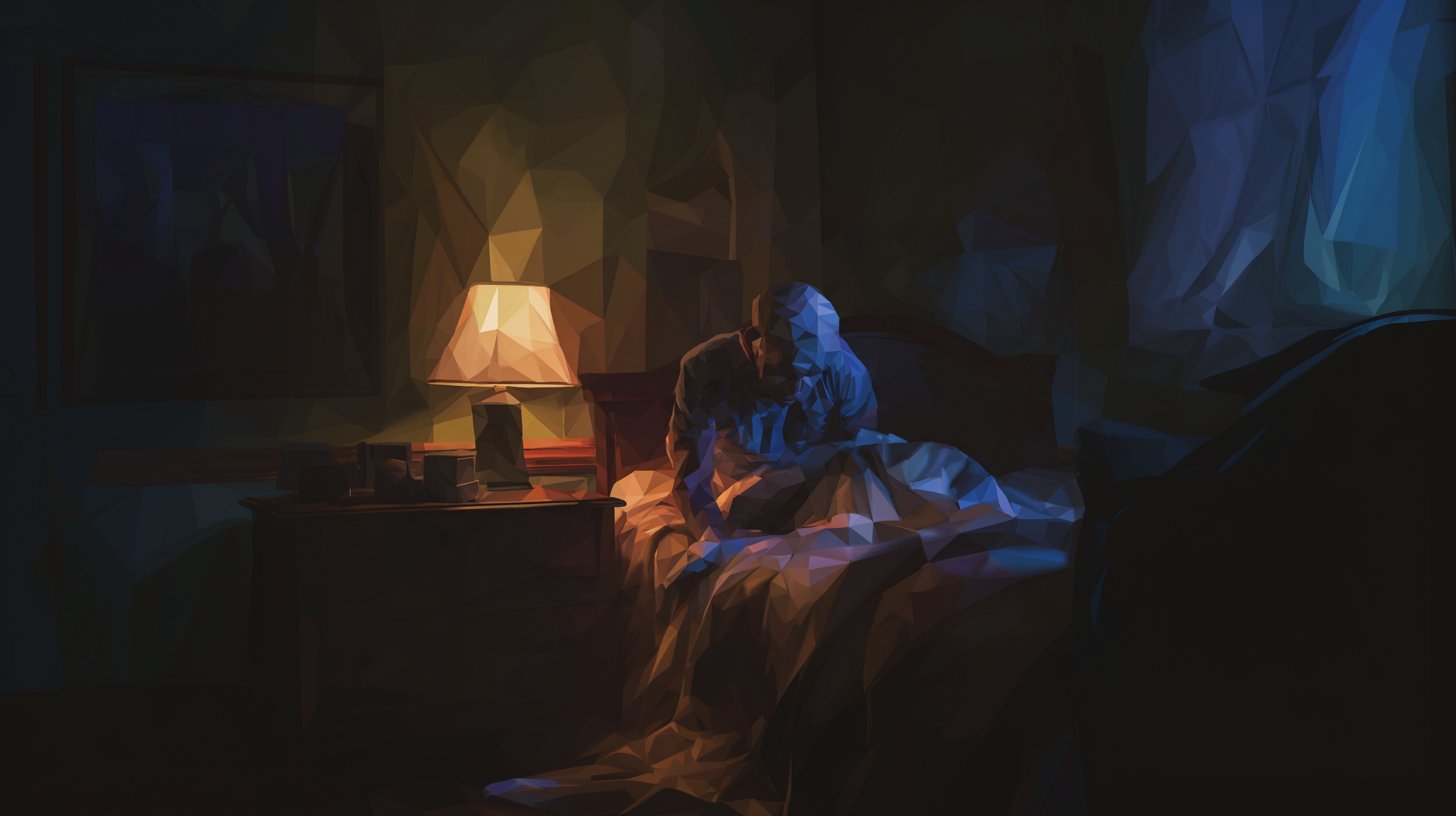
Plates. Hundreds of Midjourney generations curated down to hero frames, rejects outnumbering keepers ten to one, with Nano Banana handling the surgical frame edits. Low poly geometric figures, a restricted 1988 palette, weathered screen print texture.
Motion. Plates animated in Kling 3.0 and Seedance 2.0 through Higgsfield, engine chosen per shot, with tightly constrained prompts. Every clip carries a must not change list: face, palette, light direction, silhouette. Constraint is what makes volume generation direct-able.
Finish. Conform, titles, captions, sound design, grade in After Effects, with Hugging Face models filling the generative gaps along the way. The stage where clips stop being clips and become a film.
The studio is agents
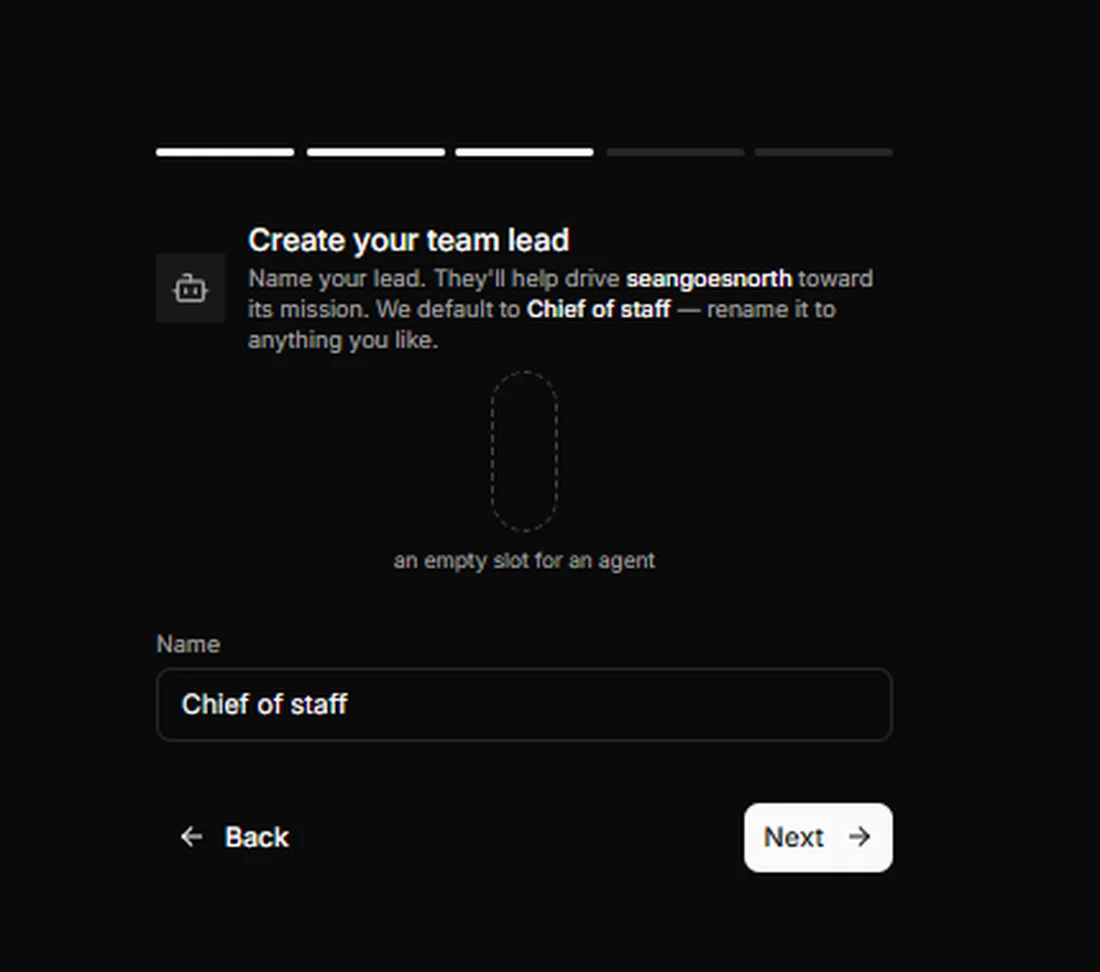
Here is the part the word “agentic” actually earns. The departments on this film exist, they are just not people: eight role based AI agents, script through edit, orchestrated on Paperclip with per agent budgets, manifests, and versioned handoffs. Work moves between agents the way it used to move between departments, and nothing advances without passing a QC gate. One person, zero employees, and a studio anyway. The org chart got stranger. The chain of command did not.
The ledger
What the tools replaced
- The location, the truck, the schedule
- The camera department
- The six figure production budget
- The wait between idea and image
What they didn't
- Taste, knowing when a frame is wrong
- Story structure and the edit
- Direction: constraints, consistency, intent
- The ten thousand hours that trained the eye
That second column is the job. It has always been the job. Agentic creative does not mean the machine makes the film. It means one director can now hold every department, as long as the discipline that used to live in those departments lives in the director instead.
The production math behind this chapter, the generation counts and what each attempt costs, is in ENTRY 002: The Producer's Math. The film also lives in the work section, next to its older sibling, Never Look Down. Chapter Two is in production.
← All Field Notes