Bo Knows
An AI short film about the greatest two sport athlete who ever lived. No crew. No cameras. No location. Twenty years of production discipline, aimed through a new machine. The honest version of how it got made is not “I typed a prompt.” It is the same discipline as any production: boards first, a locked design language, and a consistency system enforced shot by shot.
The Film Is the Resume. The Pipeline Is the Argument.
Twenty years executive producing for Nike, Jordan, the NFL, and Spotify meant productions with trucks, crews, casting directors, and catering budgets. This piece was produced by one person at a desk.
Generative models will happily redesign your main character between takes if nobody is watching. The job was making sure somebody was always watching.
Portland, Oregon. 1988. A Bar.
The film tells the origin story of one of advertising's greatest campaigns: the night it was born in a bar, the panic of an agency about to lose the account of a lifetime, the ideas that did not land, and the one that did. Bo Jackson was the greatest two sport athlete who ever lived, and the campaign that carried his name changed what sports advertising was allowed to be.
The full piece is chaptered, six chapters, structure locked before a frame was generated. Chapter One is the hook: a man sitting up at 3am, and the room where the whole thing started.
One Person. Zero Employees. A Studio Anyway.
The crew list on this film has one human on it. The departments exist anyway: eight role based AI agents, spanning script, boards, design, animation, audio, and edit, orchestrated on Paperclip, the agent platform, with per agent budgets, manifests, and versioned handoffs between roles. Work moves from agent to agent the way it used to move from department to department, and nothing advances without passing a QC gate.
The director's seat did not change. Every agent's output hits the same wall every department's output ever hit: does the frame belong to this film or not. The org chart got stranger. The chain of command did not.
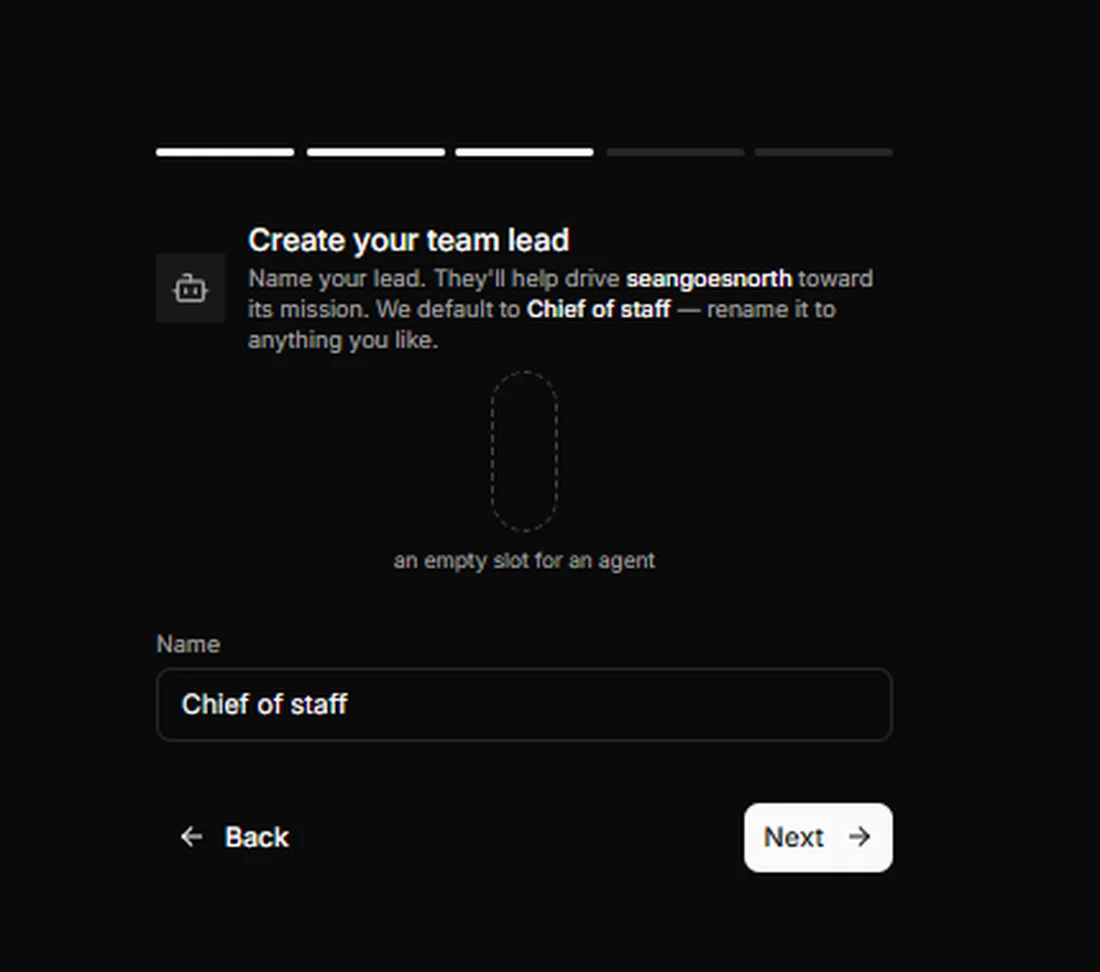
Day one, for the record: the studio started the way studios start, with a hire. The first agent gets a name and a seat, and the rest of the org grows around it, script, boards, design, animation, audio, edit, each with its own budget and its own gate.
Off the org chart sits a test bench. Hermes and Venice ran as proving grounds, where prompts, agent behaviors, and generation techniques got pressure tested before anything was allowed to touch the film.
Four Stages. One Design Language.
Boards first: six chapters locked before a single frame generated, VO written and cut to time. Plates: hundreds of Midjourney generations curated to hero frames, rejects outnumbering keepers ten to one, with Nano Banana handling the surgical frame edits Midjourney could not. Motion: plates animated in Kling 3.0 and Seedance 2.0 through Higgsfield, engine chosen per shot, with tightly constrained prompts, every clip carrying a must not change list: face, palette, light direction, silhouette. Finish: conform, titles, captions, sound design, and grade in After Effects, the stage where clips become a film. Hugging Face models filled the generative gaps along the way, the odd jobs no single tool covers.
The Camera Move Is the Difference Between Two Frames
There is no camera in this pipeline, so cinematography becomes frame design. Each shot is generated between two keyframes, and the model interpolates the motion. To get a push in, the end frame is simply designed tighter than the start frame. The last frame of one shot becomes the first frame of the next, which is how scene to scene continuity survives with no set to return to.
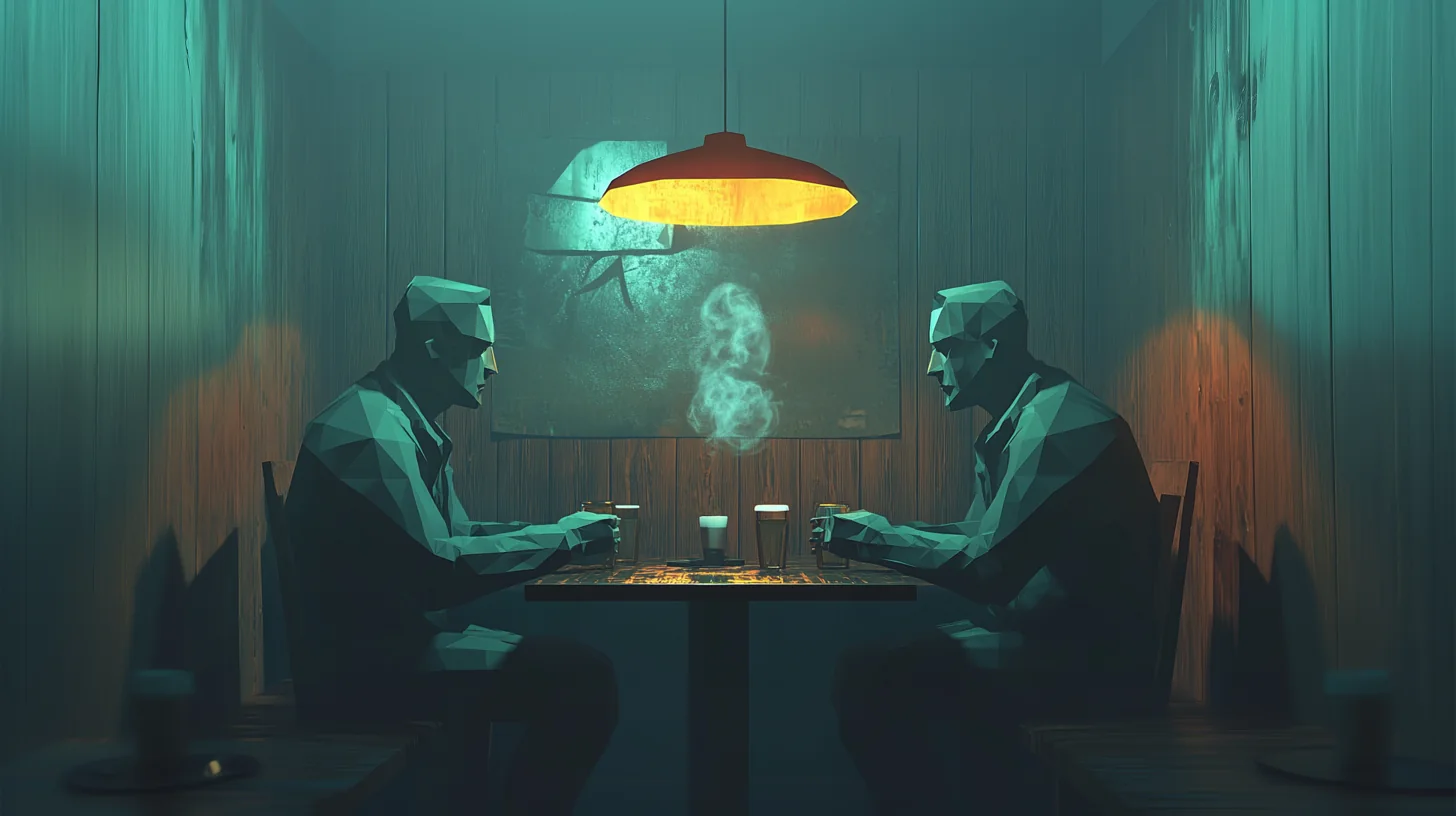
These two frames are one shot. Wide and cool to close and warm: the framing tightens and the room warms as the news lands. The model generated everything between them. The direction lived entirely in designing the two endpoints, plus a must not change list carried by every prompt: face, palette, light direction, silhouette.
One working rule earned the hard way: the prompt must describe what the frames actually do. Frame interpolation favors the images over the words, and a prompt that contradicts its own keyframes is where artifacts come from.
Two Hundred Generations That Read as One Film
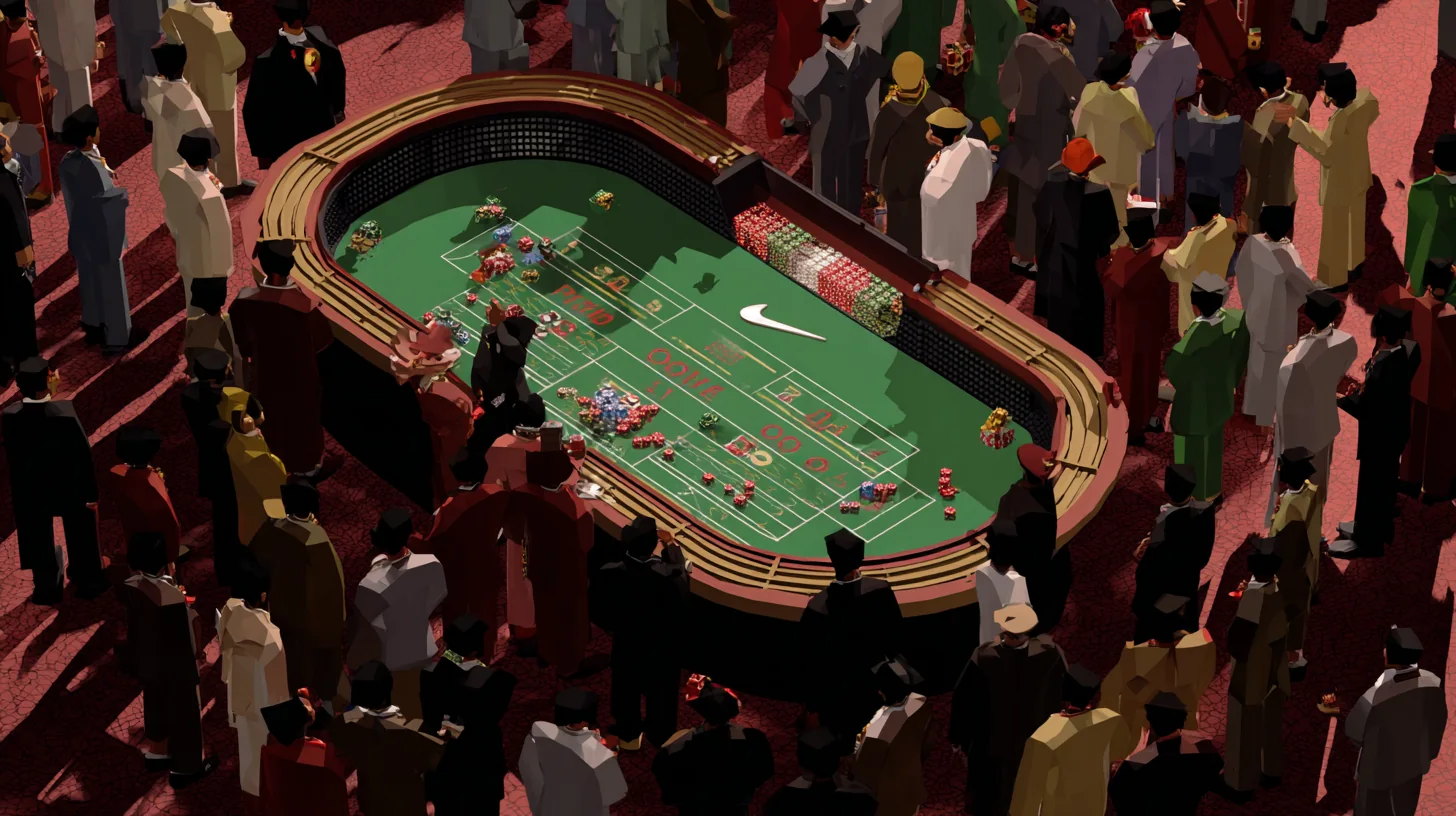
The style is the consistency system: faceless low poly geometry, a restricted 1988 palette, chunky distressed type with partial letter cropping. Constraints are what make volume generation direct-able. Every frame either belongs to this world or gets cut.
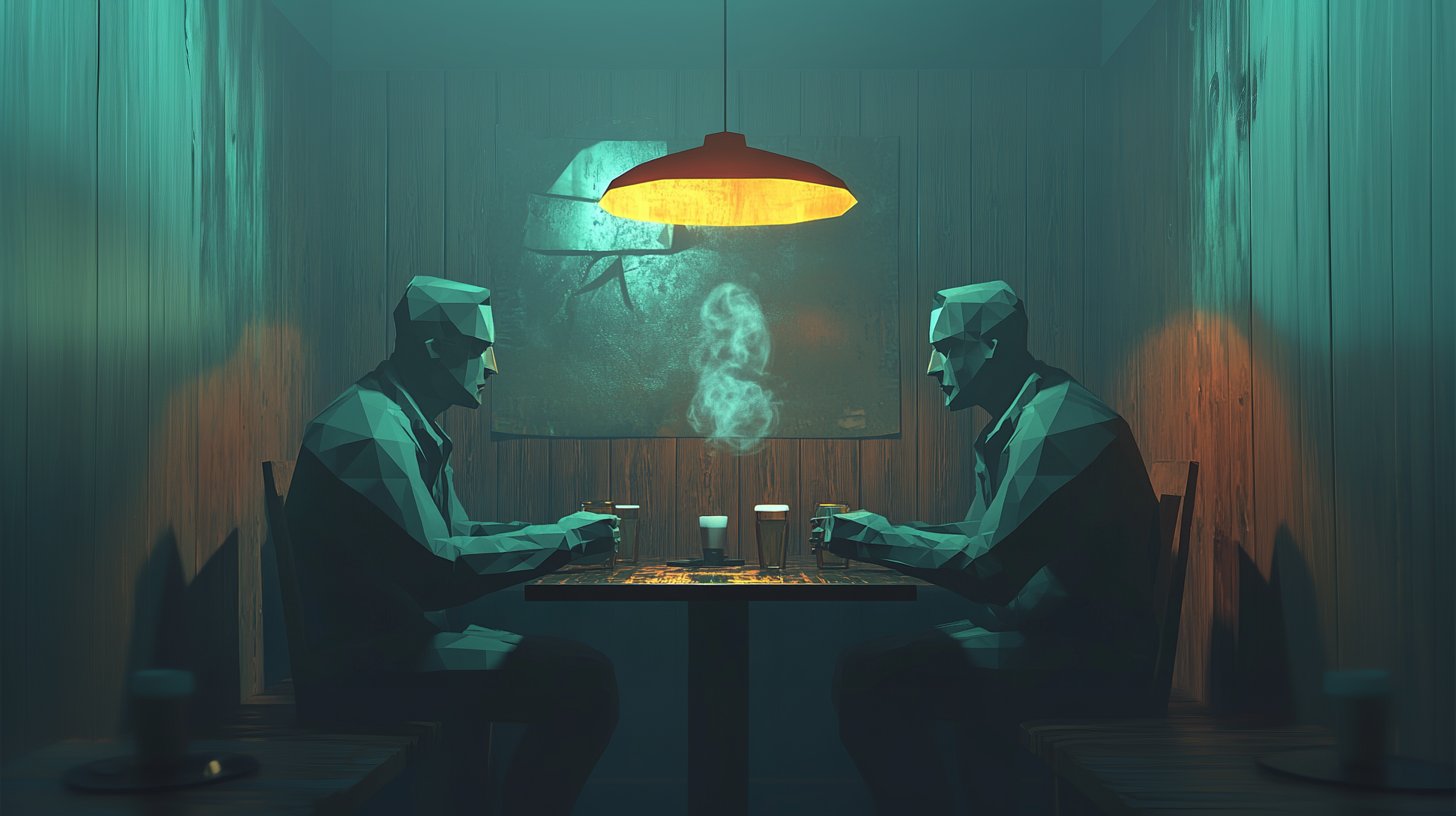

The Frames You Don't Use Are the Direction
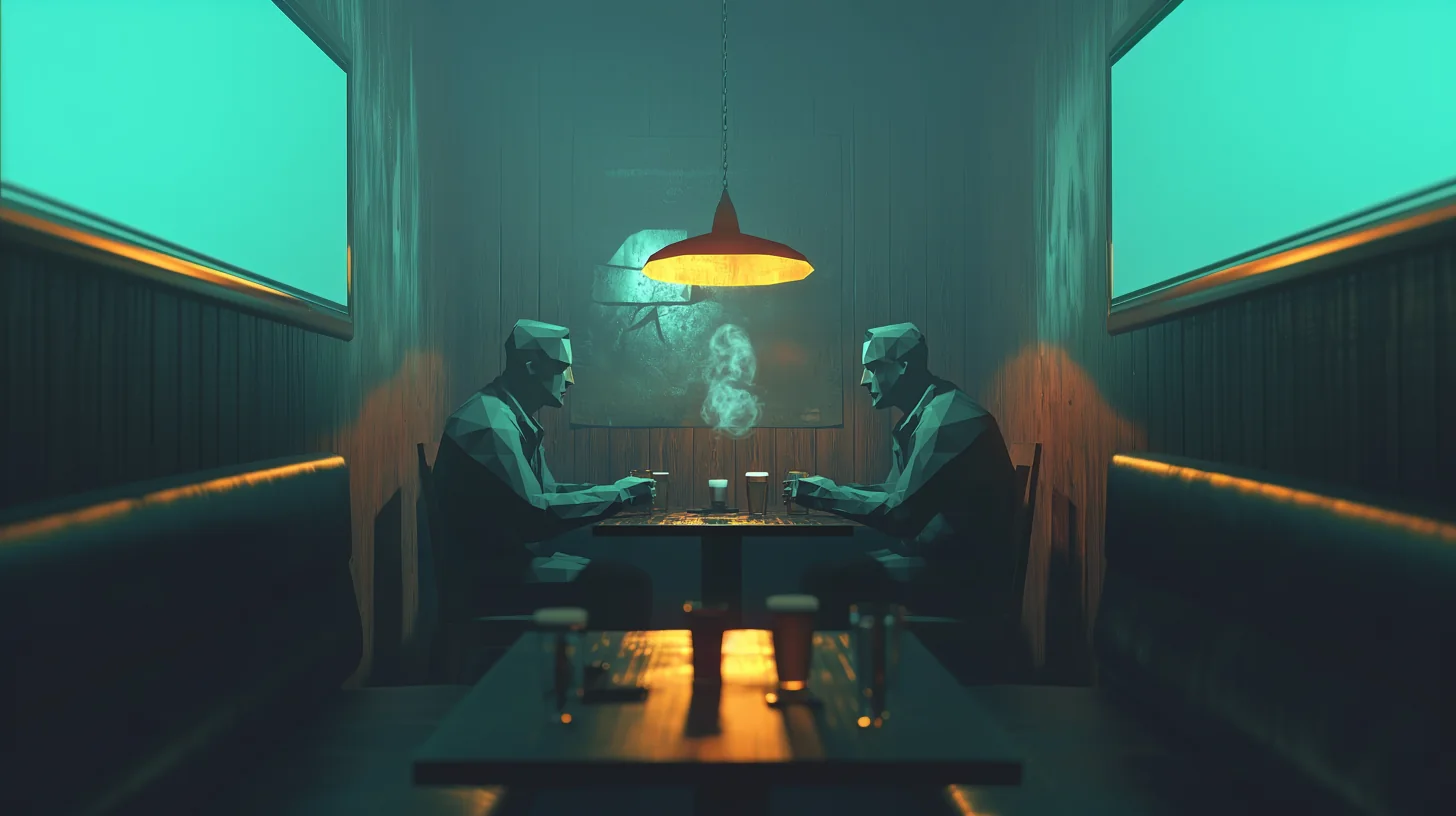
The key is variation. Locations get cast like actors: the bar auditioned in dozens of readings, neon and empty, warm and crowded, wide and close, before the film chose its rooms. Most of these frames never appear in the cut. All of them shaped it, because knowing what the world is not is how you find what it is.
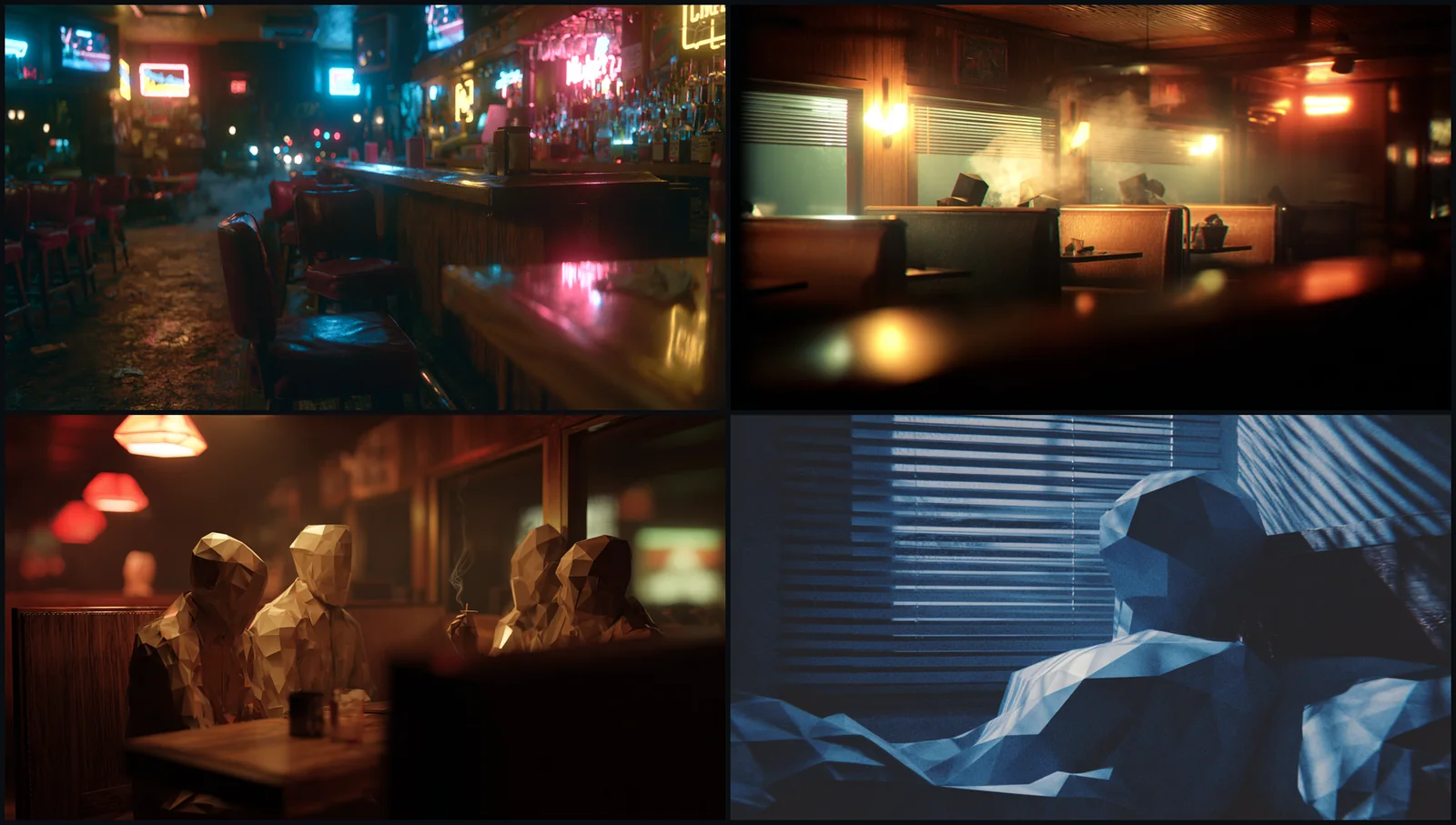
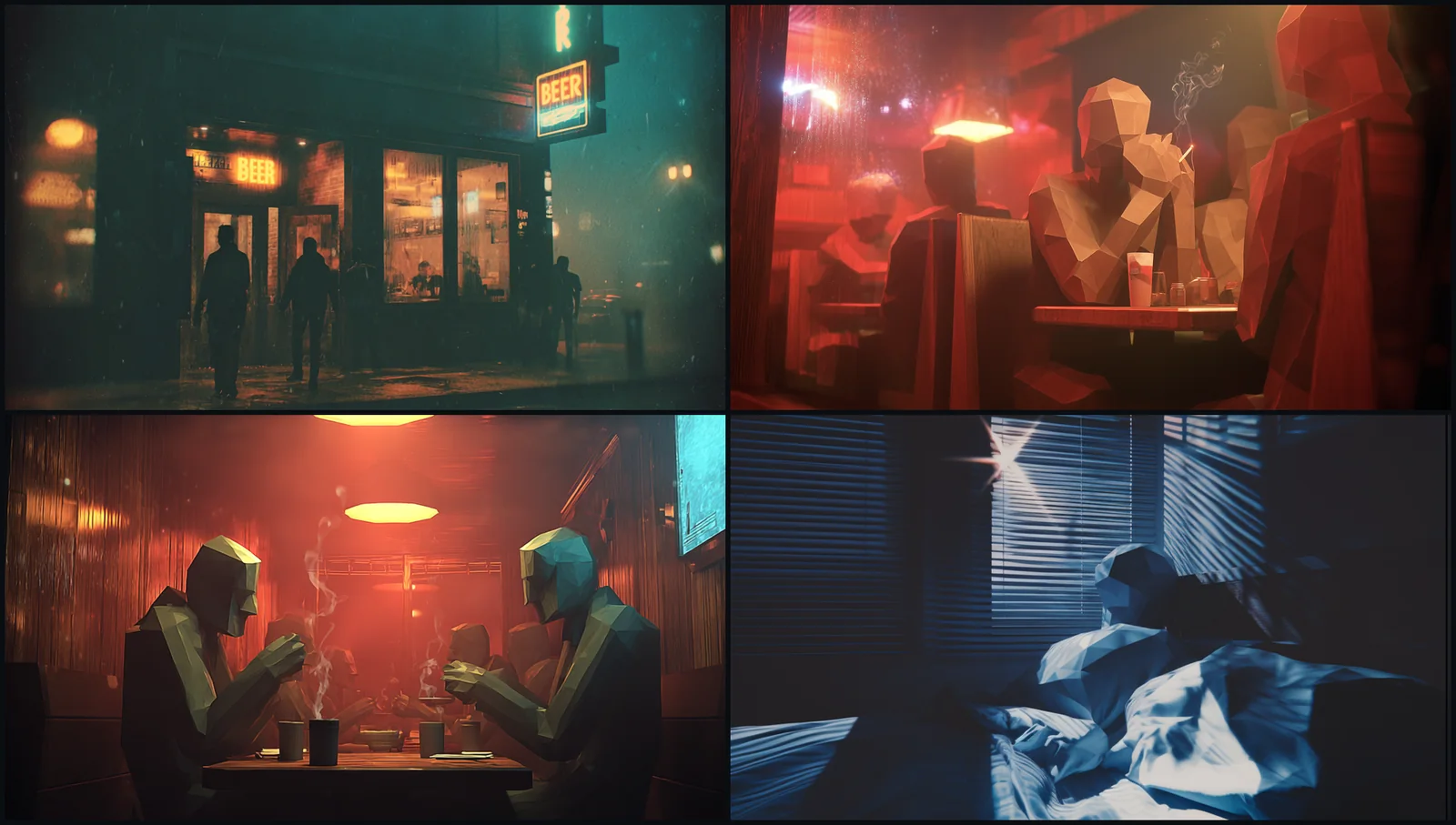
And the beats, four frames apart in the film, one world throughout: the rain outside the bar, the crowded panic of the riff, the conversation that started it, and the 3am where the chapter begins.
Iteration Replaced Labor as the Budget's Variable
Read the ratios, not the totals: 163 frames to keep 15, 47 renders to fill a dozen shots. The full bid sheet breakdown, this film costed the way a producer would bid it, is in The Producer's Math.
Dailies for a Studio of One
Volume generation creates a volume problem: thousands of frames and renders, and every one needs a verdict. Scrubbing folders does not scale, so the production got what every production gets, a review room. A purpose built approver app: every new Kling render and every candidate frame lands on a card, each card gets an approve or a kill and an optional note, and the picks save to a manifest the edit reads.
It is the least glamorous part of the pipeline and the most important. Selects discipline is what turns a firehose of generations into a directed film, and building the tool took an evening. That trade, an evening of tooling for weeks of sifting, is what streamlining actually means in an AI pipeline.
The Stage Where Clips Become a Film
Everything converges in After Effects: conform, chunky distressed title type with partial letter cropping, captions built for sound off viewing, and a single grade direction across every shot so two hundred generations read as one film. Sound design runs on low impacts and room tone, cut accents that land like hits, not ticks, under a score that carries the whole chapter.
And one director's call worth recording: when a render came back with garbled text hallucinated onto a wall, it stayed in the cut. It reads as a bar TV flickering. Knowing which accidents are gifts is not a model feature.
What the Tools Replaced. What They Didn’t.
Replaced: the location, the truck, the schedule, the camera department, the six figure budget, the wait between idea and image.
Not replaced: taste, knowing when a frame is wrong. Story structure and the edit. Direction: constraints, consistency, intent. The ten thousand hours that trained the eye. That second list is the job. It has always been the job.
The full production breakdown, including the bid sheet math, lives in Field Notes.
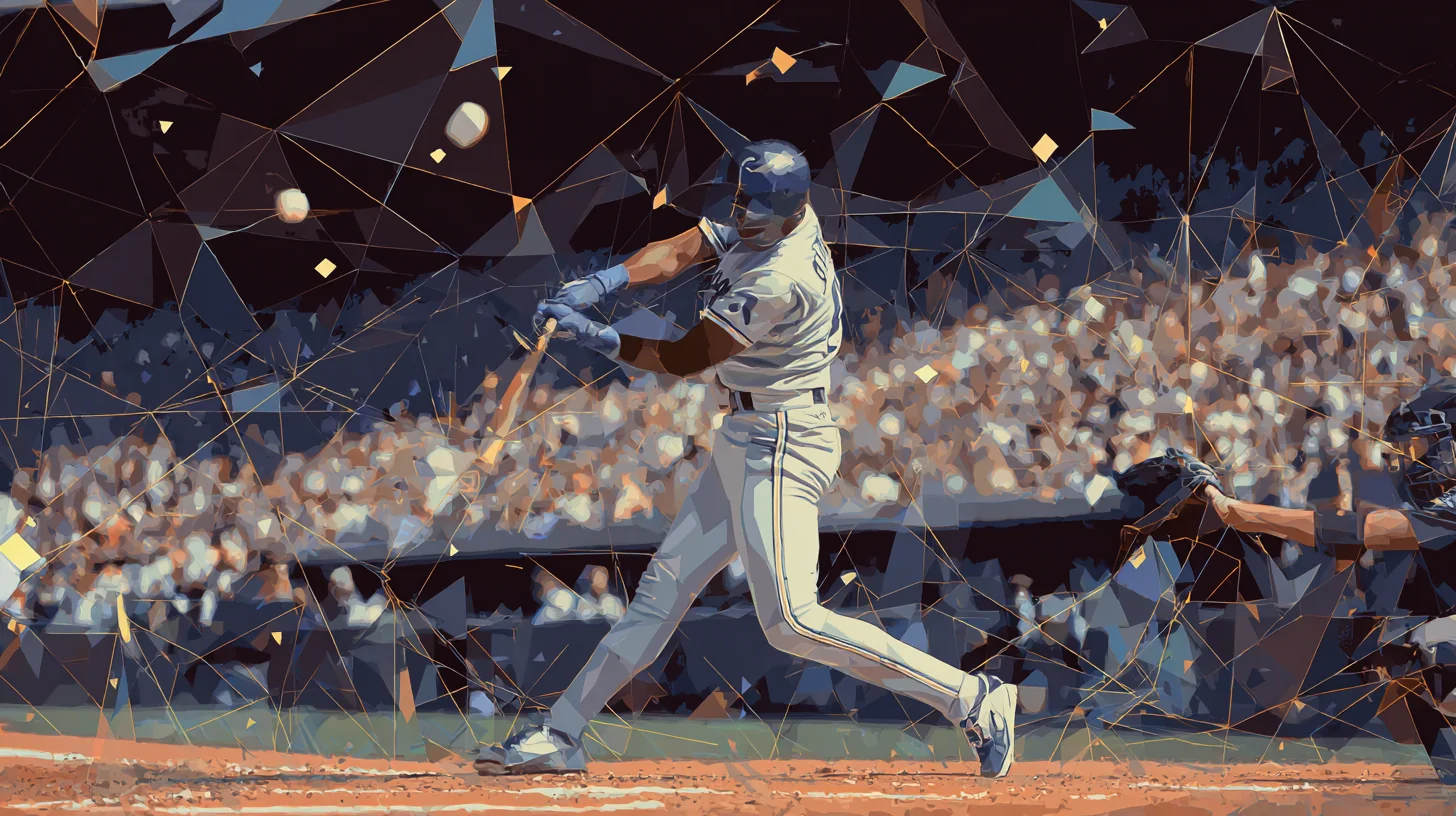
Six Chapters Are Boarded. The Worlds Already Exist.
Chapter One is the bar. The rest of the story goes bigger: the bet, the stadium, the campaign that changed everything. These frames are from chapters that have not been cut yet. Consider this the trailer.